
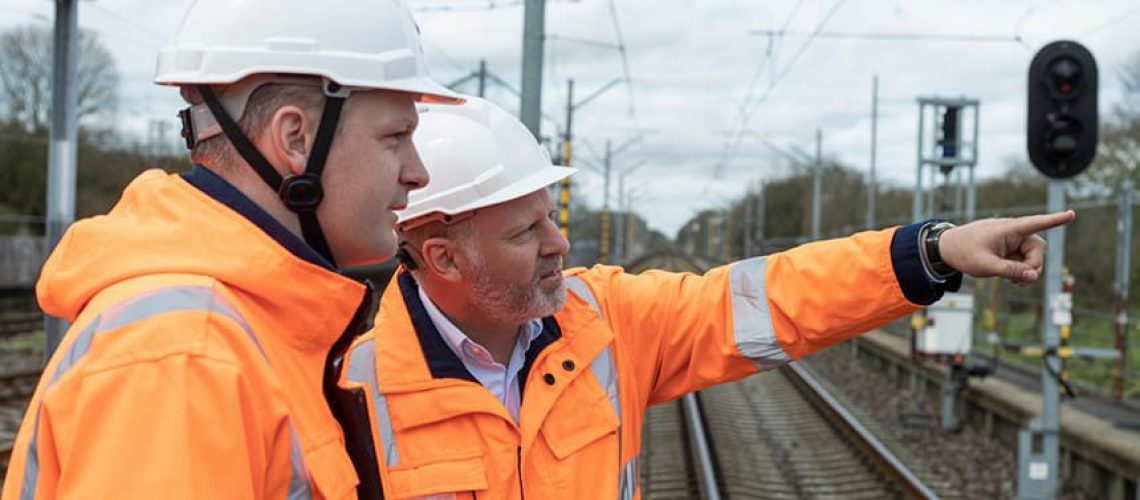
Random fingerprint drug testing enables discreet, unannounced screening with minimal disruption to shifts, sites or productivity. Its rapid turnaround supports real-time fitness-for-duty decisions, reinforcing a strong safety culture while maintaining workforce dignity and operational continuity.
In safety-critical industries such as rail, light rail and the wider transportation sector, Random Drug Testing plays a vital role in proactive risk management. Rather than responding to incidents after they occur, organisations are increasingly adopting unannounced screening programmes that deter substance misuse and strengthen operational resilience.
The Importance of Random Drug Testing in Safety-Critical Transport Operations
Within rail and transportation, safety is non-negotiable. Train drivers, signallers, maintenance engineers, trackside operatives and control room personnel all perform roles where impairment could have serious consequences for passengers, colleagues and the public.
UK rail employers operate within strict regulatory frameworks, including guidance from the Office of Rail and Road (ORR) and standards issued by the Rail Safety and Standards Board (RSSB). These frameworks emphasise competence, vigilance and fitness for duty.
Random Drug Testing strengthens this approach by:
- Acting as a visible deterrent
- Identifying recent drug use before safety is compromised
- Demonstrating organisational commitment to safety
- Supporting duty-of-care obligations
Importantly, effective programmes focus on prevention rather than punishment. The objective is to maintain safe operations and protect lives.
Why Rail and Light Rail Demand Proactive Screening
Rail and light rail environments present unique operational pressures:
- High passenger volumes
- Complex signalling systems
- Tight timetables
- Electrified infrastructure
- Trackside hazards
Even a momentary lapse in concentration can have significant consequences. Proactive, unannounced testing reinforces the message that safety-critical roles require continuous fitness for duty.
Challenges of Conducting Random Drug Testing in Live Operational Environments
Traditional testing methods, particularly urine-based screening, can present logistical and reputational challenges in live rail and transport settings.
Common concerns include:
- The need for dedicated facilities
- Observed collections that impact dignity
- Extended time away from operational duties
- Disruption to shift patterns
- Delays while awaiting results
In 24/7 environments such as depots, stations, control centres and rolling stock facilities, prolonged removal of staff from duty can affect service delivery and operational efficiency.
For Random Drug Testing to succeed in safety-critical environments, it must integrate seamlessly into live operations.
How Fingerprint Drug Testing Enables Discreet, Unannounced Screening
Fingerprint drug testing provides a modern alternative specifically suited to operational environments. The process involves collecting a small sample of sweat from the fingertips using a tamper-evident cartridge. The collection is:
- Non-invasive
- Quick (typically completed within minutes)
- Conducted without the need for specialist washroom facilities
- Suitable for deployment in depots, stations or site offices
Because the method is discreet and does not require intrusive supervision, it supports workforce dignity while maintaining the integrity of the testing process.
Samples are sent to a UK-accredited laboratory for confirmatory analysis, ensuring evidential robustness and defensible results. The technology is designed to detect recent drug use, aligning closely with fitness-for-duty decision-making.
Supporting Real-Time Fitness-for-Duty Decisions
One of the primary operational benefits of fingerprint-based Random Drug Testing is speed.
Rapid turnaround times allow managers to make informed decisions without unnecessary precautionary suspensions. This is particularly important in rail and light rail operations, where staffing gaps can impact service continuity.
By enabling timely results, organisations can:
- Minimise operational downtime
- Reduce workforce disruption
- Maintain safe staffing levels
- Reinforce confidence in the testing process
This balance between safety assurance and operational continuity is critical in live transport environments.
Maintaining Workforce Dignity While Reinforcing a Strong Safety Culture
The success of any Random Drug Testing programme depends on workforce trust.
In safety-critical sectors, employees understand the importance of fitness for duty. However, testing must be implemented respectfully and transparently. Intrusive methods can create resistance or perceptions of mistrust.
Fingerprint testing supports a more proportionate approach by:
- Removing the need for observed urine collections
- Reducing stigma associated with testing
- Allowing discreet administration during shifts
- Demonstrating that safety and dignity can coexist
When Random Drug Testing is framed as part of a broader safety culture — alongside fatigue management, competence assessment and wellbeing support — it becomes a shared responsibility rather than a punitive measure.
Operational Continuity Across the Wider Transportation Sector
While rail and light rail are prominent safety-critical environments, the same principles apply across the wider transportation sector.
Fingerprint-based Random Drug Testing is increasingly deployed within:
- Bus and coach operations
- Freight and logistics fleets
- Aviation ground handling
- Maritime transport operations
In each of these environments, operational uptime is essential. Vehicles must depart on schedule, cargo must move efficiently and safety standards must remain uncompromised.
Because fingerprint testing is portable and does not rely on fixed facilities, it scales effectively across multiple depots, contracts and geographic locations. Testing teams can attend live sites, coordinate with duty managers and complete screening with minimal impact on productivity.
Why Experience Matters in Safety-Critical Random Drug Testing
Delivering Random Drug Testing within live rail and transport operations requires more than technical capability. It demands sector-specific expertise.
Experienced testing teams understand:
- Safety-critical role classifications
- Site access protocols
- Trackside safety requirements
- Depot operational workflows
- The importance of clear communication with duty holders
Coordinating discreet testing in a live depot environment is very different from conducting screening in a static office setting. Practical experience ensures that testing is delivered efficiently, professionally and in full compliance with industry expectations.
For rail, light rail and wider transportation providers, choosing a partner with proven operational experience helps safeguard both safety outcomes and organisational reputation.
Contact the Fingerprint Drug Testing Team
For answers to common questions on random testing procedures and compliance frameworks, see our fingerprint drug testing FAQs. To understand the investment required, visit our pricing page.
For reliable project delivery, contact us today at 0121 366 8803. Our experienced testing team is ready to assist you with your next project.
References
Office of Rail and Road: https://www.orr.gov.uk
Rail Safety and Standards Board: https://www.rssb.co.uk
